A place to find healing
Trauma coaching with Steve Smith
A very warm welcome to Hear2Heal.
I am a professionally trained trauma coach with over 30 years’ experience walking alongside people through mentoring, pastoral care, training and leadership. My own journey deeply shapes my approach.
I’m so glad that you are here. I hope what follows brings you encouragement and perhaps leads to us meeting together.
This may be the place for you if you are looking for healing.
You may have read the books, tried therapy, learned about trauma, or discovered that ADHD or autism explains part of your experience. Perhaps you’re grieving, struggling in relationships, exhausted or simply wondering why the same painful patterns keep repeating.
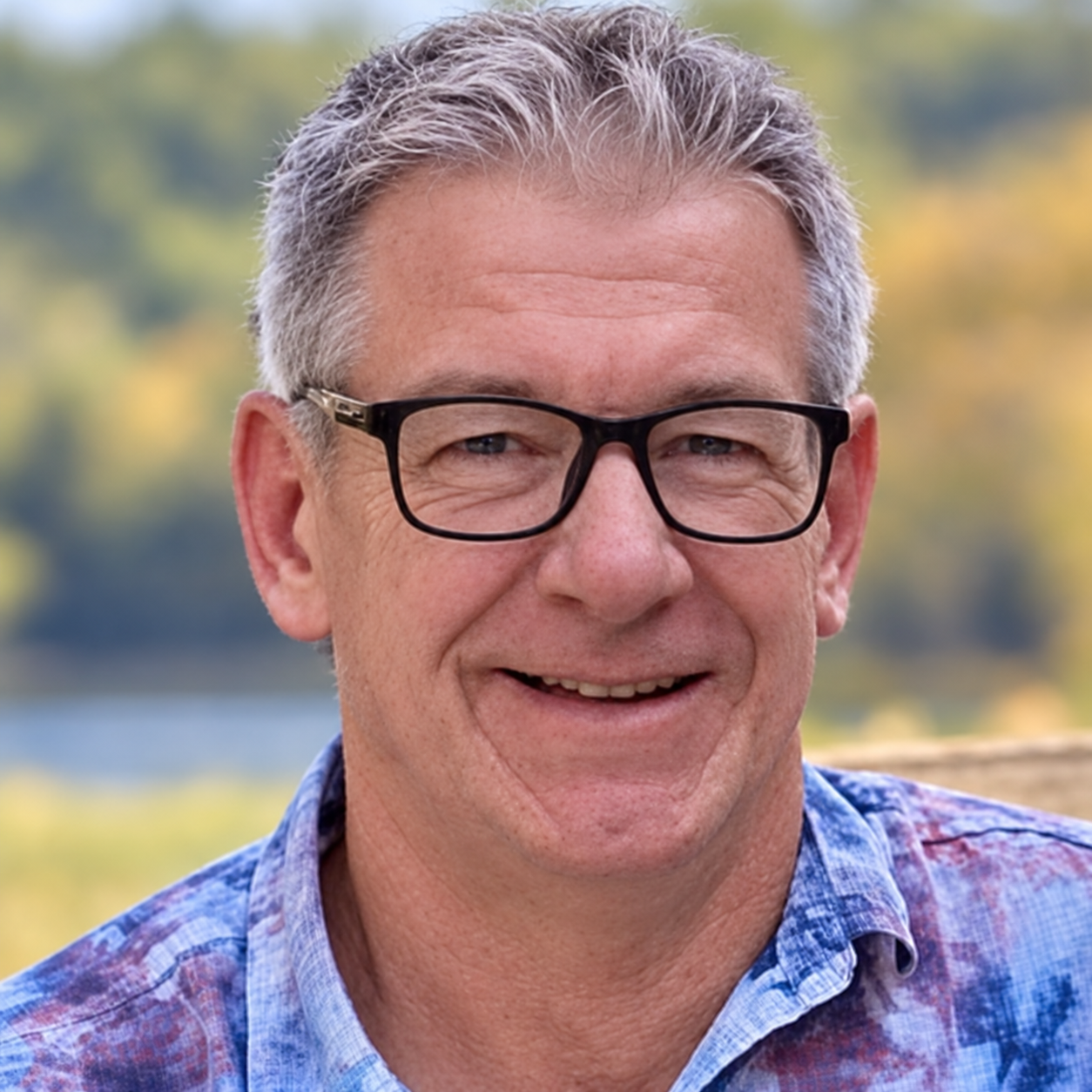
Support that helps you understand what is happening underneath.
HEAR2HEAL offers trauma-informed coaching, couples coaching and neurodivergence-aware support for adults online across the UK and internationally.
Trauma coaching
Support for anxiety, shame, people-pleasing, perfectionism, survival responses, boundaries and recurring patterns.
Couples coaching
Understanding recurring conflict, shame cycles, communication, boundaries, codependency, enmeshment and repair.
ADHD, autism & relationships
A neurodivergence-aware approach for differences in communication, overwhelm, regulation and relationships.
Real words from people I have worked with.
These are short extracts from feedback about coaching sessions. They describe individual experiences, not a promise of a particular outcome.
“I feel safe, understood and supported.”
“I am able to finally feel safe enough to face all emotions and process the pain, instead of avoiding it.”
— V.M.“I can relax and be myself, even on days I turn up feeling down.”
“You made the space really comfortable and let me express how I was actually feeling.”
“You have a knack for connecting things I say and surfacing real insights.”
— A.N.“Steve was giving me a sense of security, professionalism and I felt seen.”
“Every time I was coached by Steve, I felt less ashamed to be me. My identity and self-value gained weight and I felt lighter.”
“Since then I have approached life with more freedom.”
— A.T.“I felt truly listened to and supported.”
“I particularly appreciated his respect for my pace.”
— S.O.“I came away with greater clarity and a broader perspective.”
— H.A.“Steve’s work with IFS changed my life.”
— S.P.“I never had language or a voice.”
— L.B.“Steve is one of the most empathetic men I have ever met.”
— B. (76 yrs old)Distress in our nervous system can show itself through anxiety, physical symptoms, difficult emotions and unhelpful habits. Feeling safe — internally and externally — is crucial to our wellbeing and affects us more than we often appreciate.
Our nervous system is constantly scanning for signs of danger, often outside our conscious awareness. Learning to notice these responses with curiosity rather than judgement can open the way to greater understanding, compassion and change.
“I understand why I do this. But why am I still doing this?”
Anxiety. Relationship difficulties. Neurodivergence. Grief. Loneliness. Burnout. People-pleasing. Perfectionism. Shutdown. Isolation. Shame. Overthinking. Fear of rejection. Repeating relationship patterns.
These patterns are not simply things to fight or suppress. They can be signals that something underneath needs attention.
Just as physical pain draws our attention to an area that needs care, our emotional and relational patterns can invite the same curiosity.
Change can begin when we understand what is happening underneath and find an approach that helps us respond differently.
A different way of understanding
What if some of the things we fight most strongly in ourselves are not signs that we are broken, but adaptations that once helped us survive?
That question changed the way I understood my own life — and now shapes the way I work.
What if your symptoms are trying to tell you something?
For years I had tried to understand myself through knowledge, effort and pushing through. Some of that helped. But it was only when I began to understand trauma, protective responses and the nervous system that many things finally started to make sense.
Understanding is important. But understanding alone is not always enough. Change often begins when we can notice what is happening in the body, emotions and relationships with less shame and more curiosity.
This is not a fringe idea.
Large population studies consistently show that adverse childhood experiences are common. In US CDC data, 63.9% of adults reported at least one ACE and 17.3% reported four or more. In England and Wales, the ONS estimated that 29% of adults had experienced emotional, physical or sexual abuse, or neglect, before age 18.
The consequences can reach far beyond childhood. Meta-analyses have linked childhood maltreatment with poorer adult romantic relationship wellbeing, including communication difficulties and lower relationship satisfaction.
There is also a strong and graded association between adverse childhood experiences and later substance misuse. An umbrella review of almost 25 years of research found consistently higher risk of harmful alcohol use, drug use and smoking among people exposed to ACEs.
Dr Gabor Maté has popularised a compassionate way of expressing this: rather than asking only, “Why the addiction?”, he encourages us to ask what pain the behaviour may have been trying to soothe. That is a clinical perspective rather than a simple cause-and-effect rule, but it fits with a substantial body of research showing links between adversity, stress and later addictive behaviour.
Sources include the US CDC, Office for National Statistics, and peer-reviewed systematic reviews and meta-analyses on childhood adversity, relationships and substance misuse.
Understanding our protective patterns
People-pleasing, perfectionism, withdrawal, overworking, anger or emotional shutdown can sometimes make more sense when we ask what they may be protecting us from.
Instead of simply trying to remove the behaviour, we can become curious about the fear, pain, shame, expectation or unmet need underneath it.
IFS-informed ideas are one way of exploring this. The aim is not to label every response as trauma, but to understand ourselves more accurately and respond with greater choice.
We do not simply fight the behaviour. We become curious about what is underneath.
Curiosity can change the conversation we have with ourselves.
As we begin to understand our parts — anger, hopelessness, isolation and others — we can start to see that many of them are trying to protect us from further pain.
Unfortunately, when these patterns are left unexamined, the very things trying to protect us can eventually damage our relationship with ourselves and others.
Often, a perfectly good part is simply overworked and trying to compensate.
IFS is one modality that can help us explore this.
So, we gently ask: “What is happening inside me — and what is my system trying to protect me from?”
You may already understand a great deal about yourself — your childhood, attachment patterns, ADHD, autism or previous experiences.
But knowledge, in itself, is not always the answer.
The aim is not simply to manage our symptoms. They can be pointing us towards patterns, beliefs or needs that are worth understanding.
That you feel cared for, safe and genuinely heard.
My primary concern for you? That you feel cared for, safe and genuinely heard — so we can connect, understand what is really going on, and explore together how coaching can be most helpful for you.
Someone once offered me that safe space, and it led to an unbelievable transformation.
I am personally motivated because this work brought change that I thought was out of my grasp.
40 years of trying to be free of something teaches you one thing - it is hopeless!
But every day I am grateful — even as I write this.
That is why I now do this work — because I know what it is like to believe change is out of reach…. and what it feels like to discover that it really isn’t.
We do not simply fight the behaviour. We become curious about what is underneath.
We are not simply trying to stop unwanted behaviours or manage symptoms. We slow things down, understand what your nervous system and protective patterns are trying to do, create greater safety, and then work practically towards change.
How we work together
Each session is yours.
My role is to support you, listen carefully and if needed, help you make sense of what is happening. We go at your pace, with empathy, validation and care.
There may be times when you simply need more care, support and space to breathe. At other times, you may feel ready to go deeper and explore what is underneath.
You do not have to arrive ready to talk about everything. We begin wherever you are.
There is no fixing, labelling or judging.
Creating safety
My suggestion is that we begin with safety — both internal and external. This naturally comes to the forefront.
So we begin by looking at simple but effective ways of helping your nervous system settle and creating more safety in everyday life.
That may include rest, self-care, emotional regulation, boundaries, unmet needs, present-day pressures and understanding what helps your system feel more secure.
Understanding what may be getting in the way
Sometimes there are invisible strings pulling on us from the past.
We may struggle with self-rejection, find self-compassion difficult or notice patterns that seem to work against us.
Together, we can gently explore what may be making life harder — including unmet needs, boundaries, enmeshment, codependency, emotional regulation or other pressures.
Going deeper when you are ready
As we work together, you may begin to notice patterns, beliefs or emotional responses that have been there for a long time.
When it feels right, we can gently look at what may be sitting underneath and begin to understand why certain patterns developed.
The aim is not to judge or fight these parts of ourselves, but to approach them with curiosity, understanding and compassion.
Without realising it, we can live by values and beliefs that have helped keep us safe for years, but which, in the light of day, may no longer be true or helpful.
The same painful conversation does not have to keep repeating.
Couples can find themselves having the same painful conversation. The shame cycle spins, leaving us feeling misunderstood, defensive, hurt and disconnected.
Using the same approach as above, we can slow things down and begin to see the patterns underneath.
When both people are willing, new patterns can begin to bring different results. The reality is that we can often have two very different versions of the same situation. This can pull us into the painful trap of codependency and enmeshment.
Our focus begins to move from “What is happening?” towards “Why is this happening?” — while allowing the other person the freedom to be who they are.
When we begin to understand the shame, fear, pain or guilt shaping the relationship, without condemning ourselves or each other, things that once felt impossible can begin to feel possible.
There are practical, research-informed tools around conflict, communication, boundaries, codependency, enmeshment and repair that help create a safer and healthier home life.
If you have been searching for couples counselling or couples therapy, coaching may offer a different kind of support. My work is not counselling or psychotherapy, but it can help couples slow down, understand recurring patterns and work practically towards healthier communication, boundaries and connection.
For lasting change, we also need to understand the ‘why’.
More than 30 years of close relationships, alongside extensive cross-cultural experience, has taught me plenty about listening, differences and staying connected.
Different values, communication styles and neurotypes can add another layer of misunderstanding — but when we understand where the other person is coming from, they can also bring real richness.
I bring both personal and professional cross-cultural experience.
I grew up between cultures and spent 18 years living and working overseas in six very different countries, so I approach each person’s world with curiosity rather than assumption.
Support shaped by culture, relationships and real-world experience.
Alongside trauma coaching and couples work, I offer support in several areas that reflect my own background and experience. I also work online with clients internationally. Read about international coaching.
Cross-cultural relationships
For couples navigating different cultures, family expectations, values, communication styles, faith backgrounds or ways of seeing the world.
Marriage preparation
Practical, honest preparation for couples who want to talk well before marriage about communication, conflict, expectations, boundaries, family, values and connection.
Healthier workplaces
Workshops and team tools around communication, boundaries, emotional awareness, conflict, psychological safety and healthier working relationships.
Steve Smith
Trauma Coach & Facilitator
Experience shaped by people, cultures and real life.
For more than 30 years I have walked alongside people through mentoring, training, pastoral care and community leadership. I grew up between cultures and spent 18 years living and working overseas, including eight years in Cambodia.
Why this matters to me
My understanding of this work is personal as well as professional.
From childhood I lived with anxiety, a stutter and dyslexia, while carrying experiences I did not fully understand. For years I simply kept going — working hard, moving countries, raising a family and helping others.
I had studied relationships, attended counselling courses and helped train others, yet there were still parts of myself and my relationships I could not make sense of.
In 2024, I began to understand the impact of complex trauma alongside my own autism and ADHD traits. Ideas such as attachment, survival responses, codependency, enmeshment and nervous-system regulation finally gave language to things I had experienced for years.
Learning to build a safer relationship with my nervous system brought deeper change — more calm, emotional connection, honesty, rest and freedom.
I have also learned to appreciate strengths in the way my brain works — focus, creativity, curiosity, problem-solving and seeing connections others may miss — while understanding triggers, emotional intensity and the need to slow down.
That experience is a large part of why HEAR2HEAL exists. I do not approach this only as something I have studied, but as something I continue to live and learn.
Experience and training
I completed over 237 hours of structured learning, shadowing, supervision and peer development through Tim Fletcher Co.’s LIFT and COMPASS Coach & Facilitator pathway.
I continue my professional development through supervised coaching and group facilitation, ongoing training, supervision and feedback.
I am a member of EMCC UK and EMCC Global (membership no. 2121300), and I am also studying towards becoming a counsellor.
We simply start with a conversation.
Our first conversation is simply a chance to meet, talk about what has brought you here and see whether working together feels right.
If we continue, we agree what you would like from coaching and review that as we go. Some sessions may be reflective; others practical, with simple things to notice or practise between sessions.
If I believe another kind of support would serve you better, I will tell you.
Individual coaching
60 minutes
Usual price £90 · launch price shown above
Couples coaching
75 minutes
Usual price £125 · launch price shown above
We would like to make this available to as many people as possible, which is why we are also working on accessible online workshops so that more people can benefit from this support.
You are welcome to book one session at a time.
If the cost is genuinely an issue, please do contact us to discuss a reduction.
I am also developing accessible wellbeing workshops, including Meet Your Nervous System.
Sessions are online. I work with people in the UK and can discuss arrangements with people living elsewhere.
Your enquiry and coaching conversations are confidential, subject to safeguarding and legal obligations, which I will explain before we begin.
A clear boundary
HEAR2HEAL offers coaching and education, not counselling, psychotherapy, diagnosis, medical treatment or crisis support.
I use IFS-informed ideas within coaching; I do not offer IFS psychotherapy.
We can discuss whether coaching is appropriate for you, including when it may sit alongside therapy.
I work within my training, supervision and safeguarding responsibilities and will suggest specialist support when that is what you need.